

Debunking the top myths that mislead gamblers
The Myth of “Hot” and “Cold” Machines
One of the most pervasive myths in gambling is the belief that slot machines can be “hot” or “cold.” Many players think that if a machine has not paid out recently, it is due for a win, or conversely, if it has paid out, it won’t pay again for a while. This misconception stems from the gambler’s fallacy, which wrongly assumes that past outcomes influence future results in a game of chance. For those interested in an enhanced experience, instant payid pokies australia real money may offer the excitement of quick payouts and seamless playing.

In reality, each spin on a slot machine is independent of previous spins due to random number generators (RNGs). This technology ensures that every outcome is entirely random, meaning that a machine’s past performance has no bearing on its future payouts. Understanding this can prevent players from falling into the trap of chasing losses or waiting for a “due” payout.
The Belief in “Lucky” Strategies
Another myth that misleads gamblers is the idea that certain strategies can consistently lead to winnings. Many players are convinced that they can use specific betting patterns or tricks to beat the house edge. While some strategies may help in specific games, the reality is that the house always has an advantage in the long run.
While games like poker or blackjack involve skill, most casino games are fundamentally based on luck. Relying on “lucky” strategies often leads to disappointment. Players should focus on enjoying the games rather than trying to outsmart the odds, which are designed to favor the casino.
The Illusion of Control
Some gamblers believe they can control the outcome of games through behaviors such as altering their betting amounts or timing their bets. This myth fosters a false sense of empowerment, leading players to think they can influence random events. For instance, players may believe that betting more money will lead to bigger wins, which is a misconception.
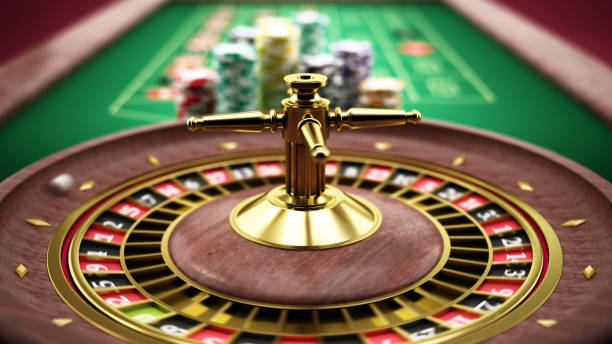
In games based on luck, such as roulette and slot machines, the outcome is completely random. Understanding that luck is the only factor at play can help players maintain a healthier perspective on gambling. Accepting that they have no control can lead to more responsible gaming and better money management.
The Misunderstanding of “Near Misses”
Many gamblers mistakenly interpret near misses as signs of an imminent win. For example, in slot machines, when players see two symbols of a winning combination followed by a different symbol, they may believe they are close to a payout. This perception can lead to increased play and spending, driven by the excitement of being “so close.”
However, near misses are often designed to keep players engaged without any real implications for future outcomes. Recognizing that near misses do not alter the odds can prevent players from falling into the trap of excessive gambling based on emotional responses rather than rational understanding.
Join PayID Pokies for a Responsible Gaming Experience
At PayID Pokies, we strive to provide a safe and enjoyable gambling environment. Our platform connects players with reputable casinos that prioritize security and efficiency, especially in payment methods. By utilizing the PayID system, players can enjoy seamless transactions while focusing on their gaming experience without the burden of misconceptions.
Understanding the myths that mislead gamblers is crucial for responsible gaming. By debunking these myths, we hope to empower players to make informed decisions and enhance their enjoyment of the game. Join us at PayID Pokies for a balanced and exhilarating online gaming adventure.


