

Understanding the Thrill of the Gamble
The allure of gambling stems from a complex interplay of psychological factors, and understanding these can be as fascinating as the games themselves; it’s not simply about the potential for financial gain; it’s about the anticipation, the risk, and the possibility of an extraordinary outcome. This inherent human desire for excitement, coupled with the unpredictable nature of chance, creates a potent cocktail that draws individuals to casino environments, both physical and online, and exploring this can lead to a better understanding of oneself, much like visiting casinomonsterwin.org might offer a diverse range of experiences.
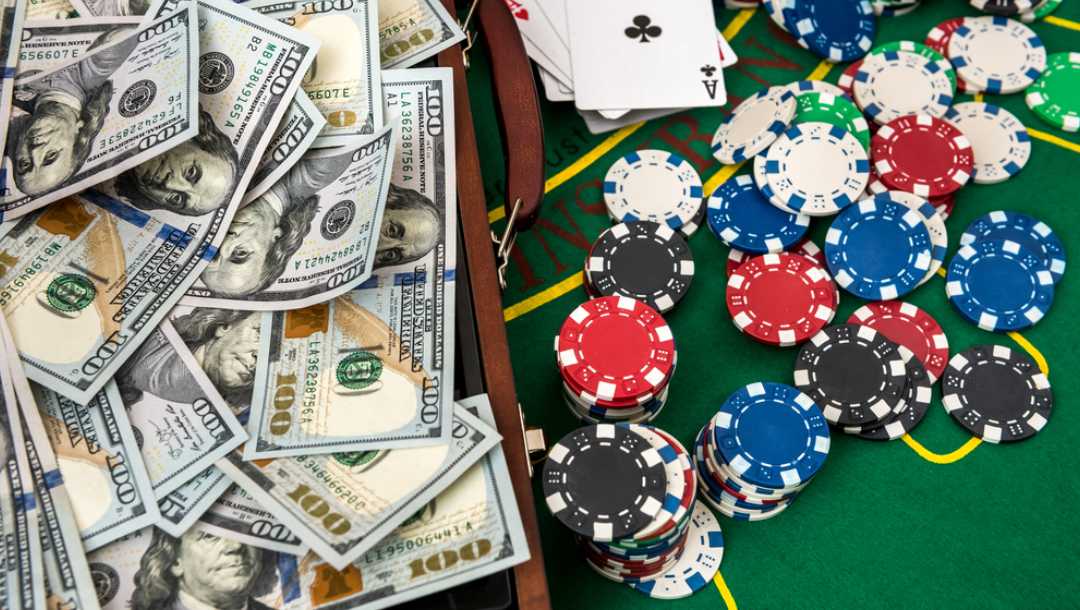
At its core, gambling taps into our brain’s reward system. Winning, even small amounts, releases dopamine, a neurotransmitter associated with pleasure and motivation. This can create a feedback loop, encouraging players to continue playing in pursuit of that next rewarding experience. The uncertainty of when the next win will occur is a key element, often leading to a state of heightened focus and engagement.
The Psychology of Risk and Reward
Individuals approach risk differently, and this is acutely apparent in the realm of gambling. Some are natural risk-takers, drawn to the adrenaline rush and the challenge of beating the odds. Others are more risk-averse, and their involvement in gambling might be driven by social factors or a desire for entertainment rather than pure financial speculation. Understanding one’s personal tolerance for risk is a crucial first step in responsible gambling.
The perceived reward in gambling is not always monetary. The satisfaction of a well-played hand, the strategic thinking involved in certain games, or simply the social interaction at a table can all contribute to the overall experience. This multifaceted reward system explains why people continue to play even when losses outweigh wins, highlighting the psychological impact beyond just the bottom line.
Cognitive Biases in Gambling Behavior
Several cognitive biases can significantly influence gambling decisions. The “near miss” phenomenon, for instance, where a player almost wins, can be as reinforcing as an actual win, encouraging them to keep playing. Similarly, the “gambler’s fallacy” leads individuals to believe that past independent events influence future outcomes, such as thinking a roulette wheel is “due” for a certain number after a long streak of others.
Confirmation bias also plays a role, where players tend to focus on their wins and disregard or minimize their losses, reinforcing a belief in their own skill or luck. These mental shortcuts can lead to irrational decision-making and a distorted perception of probability, making it difficult to assess the true nature of the risks involved in any gambling activity.
Emotional Regulation and Gambling Habits
Emotions are deeply intertwined with gambling behavior. Many people turn to gambling as a way to cope with stress, boredom, or other negative emotions. While it might offer temporary relief, this can lead to a cycle where gambling becomes a primary coping mechanism, often exacerbating the underlying emotional issues.
Conversely, the excitement and euphoria of winning can lead to impulsive decisions. The inability to regulate emotions, particularly during moments of high stakes or significant losses, can result in chasing losses or escalating betting patterns. Developing emotional resilience and self-awareness is vital for maintaining a healthy relationship with gambling activities.

MonsterWin Casino: A Platform for Psychological Exploration
Online platforms like MonsterWin Casino offer a diverse range of gambling experiences that can serve as a practical arena for exploring one’s own gambling psychology. The accessibility and variety of games present opportunities to observe personal reactions to different types of risk, reward structures, and the impact of cognitive biases.
By engaging with various games at MonsterWin Casino, players can begin to identify their own patterns of behavior, such as their response to winning streaks, their inclination to chase losses, or the emotional states that trigger their desire to play. This self-observation, combined with an understanding of the psychological principles discussed, can be a powerful tool for developing a more informed and controlled approach to gambling.


